
August 12, 2026
Mount Etna Woke Up Again. Here's What's Actually Happening Inside a Volcano
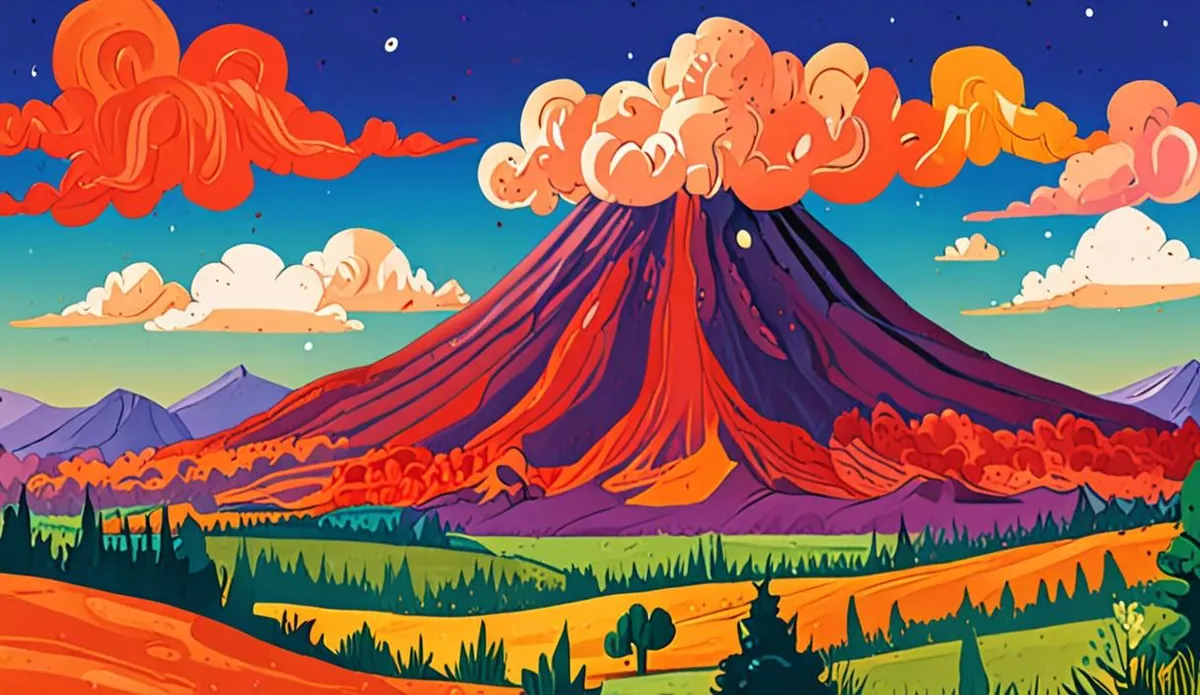
Mount Etna is at it again. Italy’s biggest volcano sent a plume of ash and glowing rock into the sky, and within hours the videos were everywhere: rivers of orange light crawling down a dark mountain, a low rumble under all that footage. If your kid has already seen a clip, you’ve probably gotten the question. Why did the volcano wake up? Is it going to blow up the whole island? Can it happen here?
I don’t have a science degree. I have a kid who asks things faster than I can look them up, so here’s the plain version, the one I’d actually give him at the dinner table.
Why Mount Etna keeps erupting
Etna isn’t waking up from a nap. It never really sleeps. It’s one of the most active volcanoes on Earth, and it has been erupting, on and off, for thousands of years. Sicily sits on the edge of two of the planet’s tectonic plates, the huge slabs of rock that make up the Earth’s crust. Where those plates meet and grind, melted rock called magma can find a path upward. When it reaches the surface, we call it lava, and Etna erupting is really just this ordinary, ancient process showing up on the news again.
Think of the Earth’s crust as the skin on a bowl of warm pudding left out too long. Most of it looks solid. But underneath, things are still moving, and every so often a crack lets some of that heat escape. Etna has a lot of cracks.
Is it dangerous?
The honest answer is: it depends, and mostly, not for the reasons kids imagine. Etna’s eruptions are usually slow-moving lava flows and ash clouds, not sudden explosions swallowing towns. Airports sometimes close because ash can damage plane engines. Nearby villages sometimes get dusted in gray grit. People who live on Etna’s slopes have generations of practice watching it and knowing when to leave. It’s a good moment to talk with your kid about the difference between